Mexican ceramics are more than colorful souvenirs: they are a living record of Indigenous technologies, colonial-era exchanges, and regional identities shaped over centuries.
This article explains where major Mexican ceramic traditions come from, how they are made, and how to recognize quality and common risks when buying or collecting.
Origins and regional traditions
Ceramic-making in Mexico predates European contact by thousands of years. Indigenous communities developed coiling, burnishing, and open firing, producing utilitarian vessels and ritual forms. After the 16th century, Spanish potters introduced the wheel in some areas, lead-based glazes, and new kiln practices, blending with local clays and designs.
One of the most influential colonial traditions is Talavera from Puebla. It is known for tin-glazed, white-bodied earthenware decorated with cobalt blue and other mineral pigments. While “Talavera” is often used loosely in shops, authentic production is tied to specific standards and regional know-how, including controlled firing and consistent glaze opacity.
Distinct regional styles give mexican ceramics their breadth. In Michoacán, towns like Patamban are associated with green-glazed wares and finely painted pieces. In Jalisco, Tlaquepaque and Tonalá are famous for burnished pottery and detailed surface decoration. Oaxaca adds strong contrasts: black pottery from San Bartolo Coyotepec is celebrated for its sheen, while other Oaxacan communities produce vividly painted figures and utilitarian cookware.
Materials, forming methods, and firing
Most mexican ceramics begin with locally sourced clays that vary in iron content, plasticity, and firing color. Artisans often blend clays or add temper (such as sand) to improve workability and reduce cracking. The choice of clay influences everything: wall thickness, durability, and how a glaze or burnish reads on the surface.
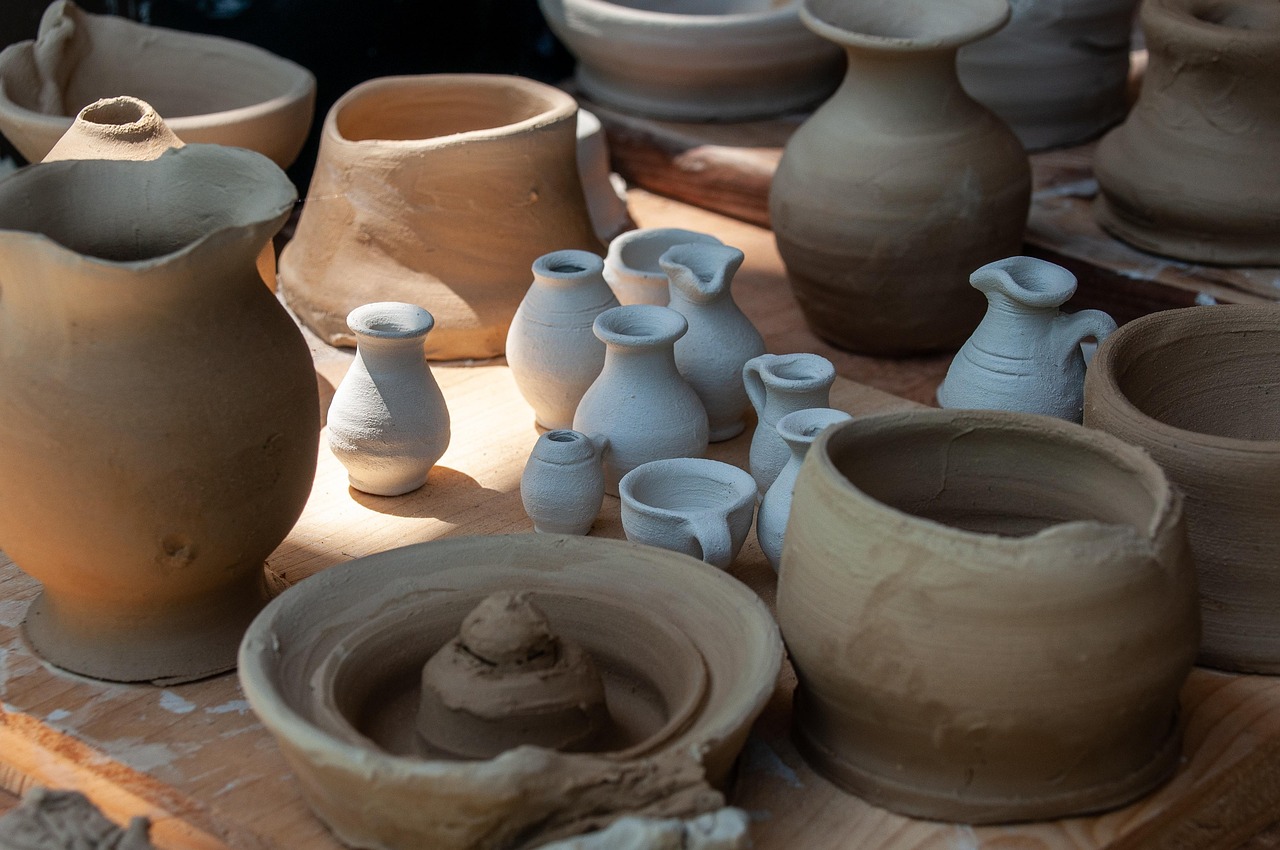
Forming methods vary by workshop and tradition. Hand-building (coiling, slab building, pinch forms) remains common for bowls, ollas, and figurines, especially where forms are inherited and repeated by memory. Molds are widely used for decorative objects and for consistent shapes in higher-volume production. Wheels appear in some centers, often for symmetrical forms like plates and vases, but wheel-throwing is not universal across Mexico.
Firing is a key point of contrast. Low-fired earthenware is common and can be strong enough for daily use when well made, but it is typically more porous than stoneware or porcelain. Some communities use open firing or simple updraft kilns; others use enclosed kilns that allow higher temperatures and more predictable results. Tin-glazed wares require careful firing cycles so the glaze matures without excessive crawling or pinholing, while burnished wares depend on smooth, compacted surfaces rather than thick glaze layers for their luster.
How to evaluate quality, safety, and care
Quality shows first in form and finish. Look for even walls, stable bases, and rims that feel smooth rather than sharp. Painted decoration should follow the contours confidently; hesitant lines and muddy colors can indicate rushed work or weak pigment preparation. Glaze should appear consistent, without extensive bare patches, flaking, or a gritty feel that suggests underfiring.
Safety is an important practical issue. Some traditional glazes have historically used lead compounds to achieve a glossy, bright finish at low temperatures. Regulations and practices vary by region and workshop, and many makers now use lead-free glazes, but not all pieces are intended for food. If you plan to use a dish or mug, ask whether it is food-safe and lead-free, and treat decorative items as decorative unless you have clear assurance. This is especially relevant for pieces with very shiny, glassy surfaces that resemble older low-fire lead glazes.
Care depends on the body and finish. Earthenware can be more sensitive to thermal shock: avoid moving a piece from cold to direct heat or from a hot oven to a cold countertop. Hand-painted surfaces can fade with harsh detergents or abrasive scrubbers. For display pieces, dusting is safer than washing; for functional pieces, gentle hand washing is often best. If a piece is unglazed or burnished, prolonged soaking can darken or stain the surface because the clay remains slightly absorbent.
Conclusion
Mexican ceramics are defined by regional diversity, layered history, and workshop-level decisions about clay, forming, and firing; understanding those basics helps you appreciate the artistry, buy more confidently, and care for pieces in ways that preserve both function and finish.